Saunas are one of the most valued amenities in modern fitness facilities — and one of the most neglected when it comes to cleaning. Here's why standard protocols fail, and what proper sauna sanitation actually looks like.
The Unique Sauna Challenge#
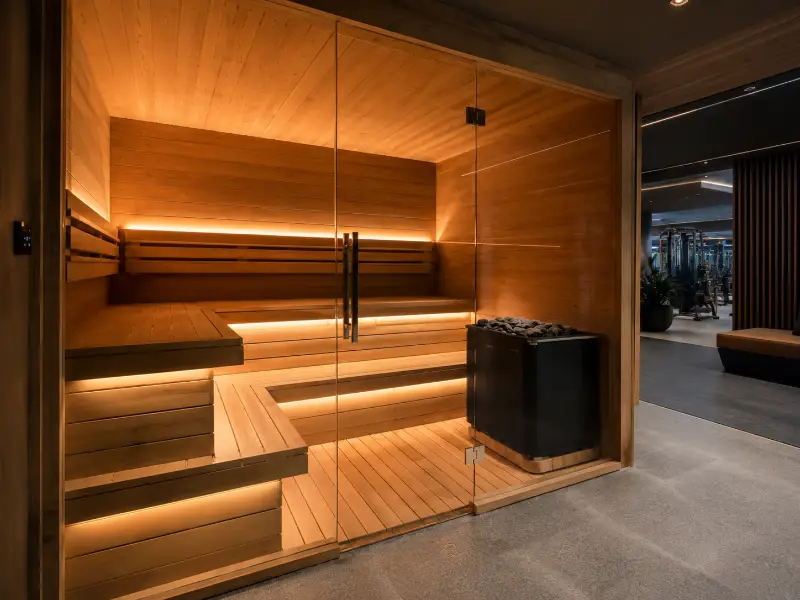
Saunas create an environment unlike any other area of your gym:
- Extreme temperatures (65-90°C for dry saunas) that many cleaning products can't withstand
- High humidity that accelerates bacterial and mould growth
- Direct skin contact with wood benches by members wearing minimal clothing
- Sweat saturation of porous wood surfaces
- Poor ventilation during operating hours
This combination makes saunas breeding grounds for bacteria, fungi, and mould — yet most cleaning companies treat them the same as any other room.
What Goes Wrong With Standard Cleaning#
Generic cleaning companies typically:
- Use the same products as they do for bathrooms (too harsh for wood, ineffective at high temperatures)
- Skip the sauna entirely because they don't know how to clean it
- Do a surface wipe when the sauna is cool, missing embedded contamination
- Ignore the drain, ventilation, and behind-bench areas
The result is a sauna that looks acceptable but harbours significant hygiene risks.
Proper Sauna Sanitation Protocol#
Effective sauna cleaning requires:
Temperature-Aware Timing#
Cleaning when the sauna is warm (not at full operating temperature) allows products to work effectively while the heat enhances their penetration into wood surfaces.
Wood-Safe Products#
Standard disinfectants can damage, discolour, or crack sauna wood. Specialised products clean and sanitise without compromising the material.
Deep Bench Treatment#
Sauna benches absorb sweat over time. Periodic deep treatment penetrates the wood surface to remove embedded contamination — not just what's on top.
Drain & Ventilation Focus#
The drain and ventilation system are critical to sauna hygiene. Blocked drains create standing water; poor ventilation traps moisture and encourages mould growth.
The Member Experience#
Members use your sauna for health and relaxation. If they're sitting on contaminated wood in a poorly ventilated space, the health benefits are cancelled out by the hygiene risks.
A properly sanitised sauna isn't just cleaner — it's a selling point. It tells members that you care about every part of their experience, not just the main gym floor.